
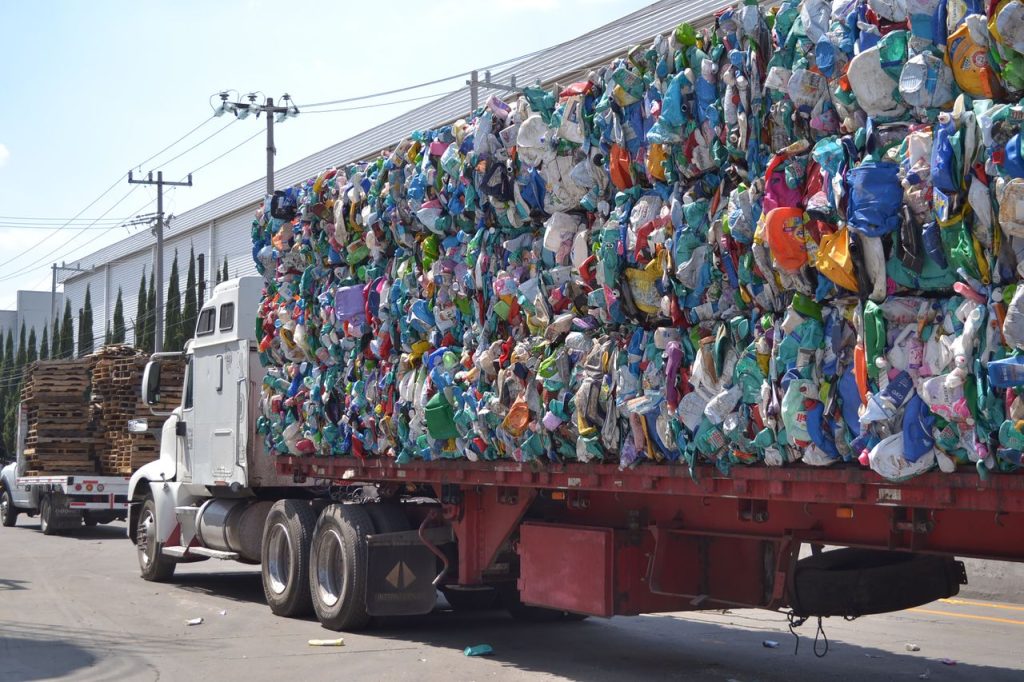
When people think of shipping plastic products—whether it’s empty water bottles, medical containers, industrial buckets, or consumer goods—they often assume it’s an easy, low-risk task. After all, plastic doesn’t shatter like glass, right?
But any seasoned manufacturer or logistics manager knows the reality: shipping plastics presents a unique set of structural and environmental challenges. Plastic is highly vulnerable to warping under extreme heat, absorbing chemical odors, crumpling under static weight, and attracting static dust.
If you want your plastic goods to arrive at their destination perfectly formed and pristine, these industry best practices must be implemented.
1. Eliminate the “Oven Effect” (Temperature Controls)
The interior of a standard shipping container baked under the sun can easily exceed 55°C (131°F). For many common plastics, this environment is a disaster zone. High-density polyethylene (HDPE) and polyethylene terephthalate (PET) begin to soften or lose structural integrity at surprisingly low thresholds.
- The Risk: In extreme heat, stacked empty plastic containers can warp, ovalize (turn oval instead of round), or fuse together, rendering them useless for automated filling lines.
- The Solution: Use temperature-controlled “reefer” units or line standard containers with thermal radiant barriers. If using dry vans, plan routes to avoid stagnant parking in desert regions during peak summer months.
2. Guard Against Static and Dust Contamination
Plastic is a natural insulator, meaning it builds up a static electrical charge incredibly fast during the friction of transit. This static charge acts like a magnet for dust, cardboard fibers, and ambient debris.
Crucial for Food & Pharma: If you are shipping food-grade or medical-grade plastic containers, surface contamination can cause an entire batch to fail quality control checks upon arrival.
Protective Packaging Standards
| Packaging Layer | Purpose | Best Practice |
| Inner Liners | Eliminates direct exposure to ambient dust and moisture. | Use virgin poly bags or specialized anti-static film liners. |
| Pallet Wrapping | Prevents shift and blocks external warehouse particulate. | Opt for high-gauge, puncture-resistant stretch wrap pulled taut. |
| Top Covers | Blocks falling debris from cardboard boxes stacked above. | Use corrugated top caps or plastic sheets before wrapping. |
3. Master the Stack (Preventing Structural Crush)
Empty plastic bottles and containers are mostly composed of air. While lightweight, they have very little top-load compression strength. If pallets are stacked incorrectly, the bottom layers will buckle, creating a domino effect inside the trailer.
- Avoid Over-Stacking: Never exceed the manufacturer’s recommended stacking height. If double-stacking pallets is necessary to maximize trailer space, use pallet racking systems or heavy-duty corrugated tier sheets to distribute weight evenly.
- Block and Brace: Lightweight plastic pallets slide easily across trailer floors. Use air bags (dunnage bags) and heavy-duty load locks to eliminate shifting during sudden braking.
4. Keep Odors and Volatile Chemicals Far Away
Plastic is porous on a microscopic level. It easily absorbs ambient volatile organic compounds (VOCs) and strong aromas.
If a truckload of food-grade plastic containers is transported in a trailer that previously hauled aromatic chemicals, perfumes, or even bulk agricultural goods, the plastic can absorb those smells. When the end consumer drinks water out of that bottle months later, it will taste exactly like the trailer’s previous cargo.
- Trailer Inspection: Enforce strict “sniff tests” and physical inspections before loading. Ensure the carrier provides clean, dry, odor-free, and food-grade certified trailers if shipping consumer-facing plastics.
5. Prevent Microplastic and Pellet Loss
If you are transporting raw plastic materials (like resin pellets, flakes, or powders) alongside your finished container goods, sustainability and strict environmental regulations require zero-spill compliance.
Under global industry frameworks like Operation Clean Sweep, logistics providers must treat plastic pellets with the same containment strictness as hazardous cargo. Ensure all bulk bags (FIBCs) are double-stitched and transport vehicles are equipped with spill kits to prevent microplastics from escaping into the ecosystem.
Key Takeaway
Transporting plastic isn’t just about moving a lightweight item from point A to point B. It requires a dedicated strategy focused on cleanliness, temperature stability, and precise load distribution. By protecting your cargo from the elements and the physical stress of the road, you save your business from costly rejections and protect your brand’s reputation for quality.