
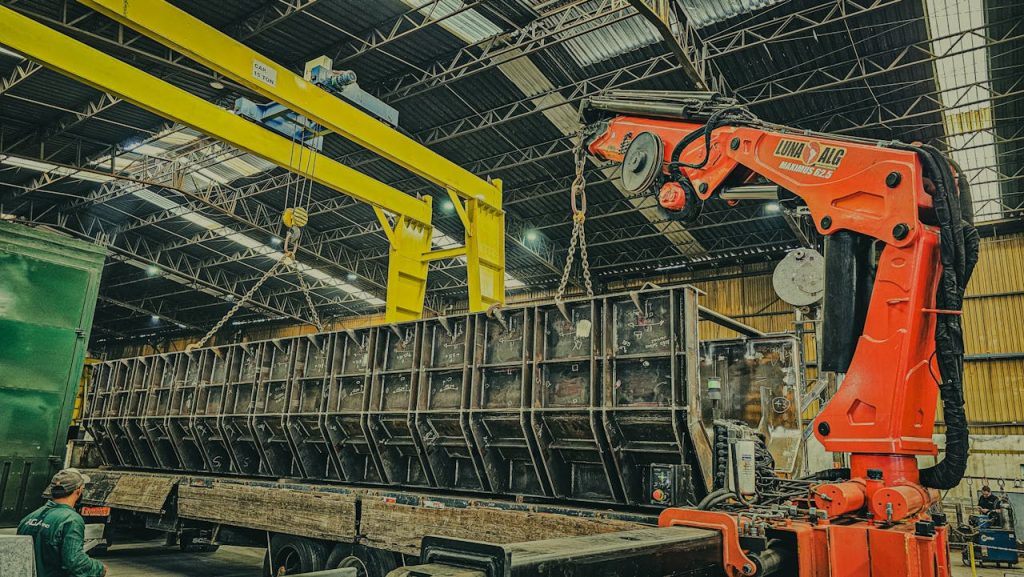
In the manufacturing world, a lot of focus is placed on what happens inside the factory walls. Millions of dollars are invested in cutting-edge machinery, precise assembly line workflows, and workforce training to ensure that the final product is flawless.
But what happens when the product leaves the loading dock? Or more importantly, what happens when the raw materials needed to create that product don’t show up on time?
The truth is, a manufacturer’s operations are only as strong as their weakest logistical link. Today, logistics isn’t just a back-office support function—it is a vital pillar of business strategy. Here is why reliable freight transportation is absolutely critical for modern manufacturers.
1. Protecting Just-In-Time (JIT) Production Schedules
Many modern manufacturing facilities operate on a Just-In-Time (JIT) inventory strategy. By keeping minimal raw materials on hand and scheduling deliveries exactly when they are needed for production, companies save massive amounts of capital on warehouse storage space.
However, JIT makes you highly vulnerable to transit disruptions. If a truck carrying critical components is delayed due to an unreliable carrier, the entire assembly line can grind to a halt.
The Ripple Effect: A single stalled production line doesn’t just delay one order. It creates idle labor costs, throws off subsequent manufacturing schedules, and causes a backlog that can take weeks to clear. Reliable freight providers ensure your line stays up and running.
2. Preventing Costly Stockouts and Overstocking
Managing inventory is a delicate balancing act. Reliable transportation gives you predictable lead times, allowing you to optimize your inventory levels perfectly.
When freight is unpredictable, manufacturers typically respond in one of two ways—both of which hurt the bottom line:
- Under-correcting (Stockouts): You run out of materials or finished goods, missing out on immediate sales opportunities and fracturing vendor relationships.
- Over-correcting (Safety Stock): You panic-buy and store massive amounts of excess inventory. This ties up your liquid cash flow and drives up warehousing and overhead costs.
Dependable transport metrics (like maintaining a 95%+ on-time delivery record) give you the confidence to hold just the right amount of stock.
3. Safeguarding High-Value and Fragile Cargo
Manufacturing output often consists of delicate electronics, heavy-duty specialized machinery, or temperature-sensitive goods. Freight reliability isn’t just about when a shipment arrives; it’s about how it arrives.
A premium logistics partner brings trained professionals and the right infrastructure to the table. They prioritize proper freight handling, cargo securing, and specialized equipment (like reefers or air-ride suspension trucks). Keeping your damage claims rate below 1% saves you from the financial headache of cargo loss, insurance fights, and reproduction delays.
4. Protecting Customer Loyalty and Brand Reputation
If a customer orders a shipment of components from you and they arrive late, they don’t blame the truck driver—they blame you.
In B2B manufacturing, your clients are often other businesses relying on your goods to keep their operations running. Missing a delivery window can damage your scorecard ranking with major retailers or industrial clients, costing you prime shelf placement or future contract renewals. On the flip side, consistent delivery builds deep trust, turning a standard vendor agreement into a long-term strategic partnership.
5. Driving Cost Efficiency and Predictability
It is easy to fall into the trap of choosing the lowest-bidding carrier to cut immediate expenses. However, cheap, unreliable freight often ends up costing significantly more in hidden fees.
Unreliable shipping leads to emergency expediting fees, driver detention charges, missed delivery fines, and administrative hours spent track-and-tracing missing shipments. A dependable 3PL (Third-Party Logistics) or freight partner offers real-time tracking compliance and predictable pricing, eliminating the “fire drills” that drain your team’s time and money.
The Bottom Line
In a highly competitive global market, the manufacturers who win are the ones who can promise predictability. Reliable freight transportation bridges the gap between your factory’s potential and your customer’s expectations.
When looking for a freight partner, prioritize transparency, industry experience, and proven track records over rock-bottom pricing. After all, your product is only worth something if it actually gets to where it needs to go.